
In the evolving landscape of real-time strategy games, the in-game environment is often overlooked but plays a crucial role in both aesthetics and gameplay. One intriguing concept for Sanctuary Shattered Sun is the treatment of wrecked structures and units. Let's consider various ideas surrounding the interaction with wrecks, considering both visual appeal and strategic implications.
Blocking Pathfinding with Wrecks:
Contemplating the choice between allowing units to drive through wrecked structures or blocking pathfinding raises essential gameplay considerations. While blocking paths may add realism, it could potentially disrupt strategic movements. Striking a balance is crucial to prevent excessive pathfinding issues.
Dynamic Effects on Wreck Interaction:
One possibility is that when units drive through wrecked structures, an effect would play to simulate the unit puncturing the structure. This not only enhances visual immersion but also maintains a level of realism in the game world.
Breaking Structures into Pieces:
Taking the above one step further, another suggestion would be units breaking wrecked structures into smaller pieces upon interaction. This dynamic response could add a layer of complexity, both visually and strategically, as players navigate through the aftermath of battles.
Terrain Deformation and Unit Interaction:
Consider a situation where units not only interact with wrecked structures but also reshape the terrain. By driving over wrecked units, they could act as makeshift ramps, potentially allowing for creative terrain deformation. This innovation could open up new strategic possibilities, like building ramps up cliffs using fallen units.
Unit Size Matters in Wreck Interaction:
Considering the size of units in wreck interactions, we could have a situation where larger units can crush wrecked structures into pieces that can be reclaimed, while smaller units cannot walk through structures and must navigate around them. This approach adds a layer of realism based on unit size and maintains a balance between strategic options.
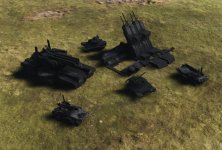
Blocking Pathfinding with Wrecks:
Contemplating the choice between allowing units to drive through wrecked structures or blocking pathfinding raises essential gameplay considerations. While blocking paths may add realism, it could potentially disrupt strategic movements. Striking a balance is crucial to prevent excessive pathfinding issues.
Dynamic Effects on Wreck Interaction:
One possibility is that when units drive through wrecked structures, an effect would play to simulate the unit puncturing the structure. This not only enhances visual immersion but also maintains a level of realism in the game world.
Breaking Structures into Pieces:
Taking the above one step further, another suggestion would be units breaking wrecked structures into smaller pieces upon interaction. This dynamic response could add a layer of complexity, both visually and strategically, as players navigate through the aftermath of battles.
Terrain Deformation and Unit Interaction:
Consider a situation where units not only interact with wrecked structures but also reshape the terrain. By driving over wrecked units, they could act as makeshift ramps, potentially allowing for creative terrain deformation. This innovation could open up new strategic possibilities, like building ramps up cliffs using fallen units.
Unit Size Matters in Wreck Interaction:
Considering the size of units in wreck interactions, we could have a situation where larger units can crush wrecked structures into pieces that can be reclaimed, while smaller units cannot walk through structures and must navigate around them. This approach adds a layer of realism based on unit size and maintains a balance between strategic options.
What would be your choice? Should wrecks block unit movement or should units be able to drive straight through them? We can assume that if a unit hovers or flies in can possible overcome the wrecked building, but tracked vehicles or walkers would be blocked. T4 and T5 units should be able to obliterate anything in their path.